
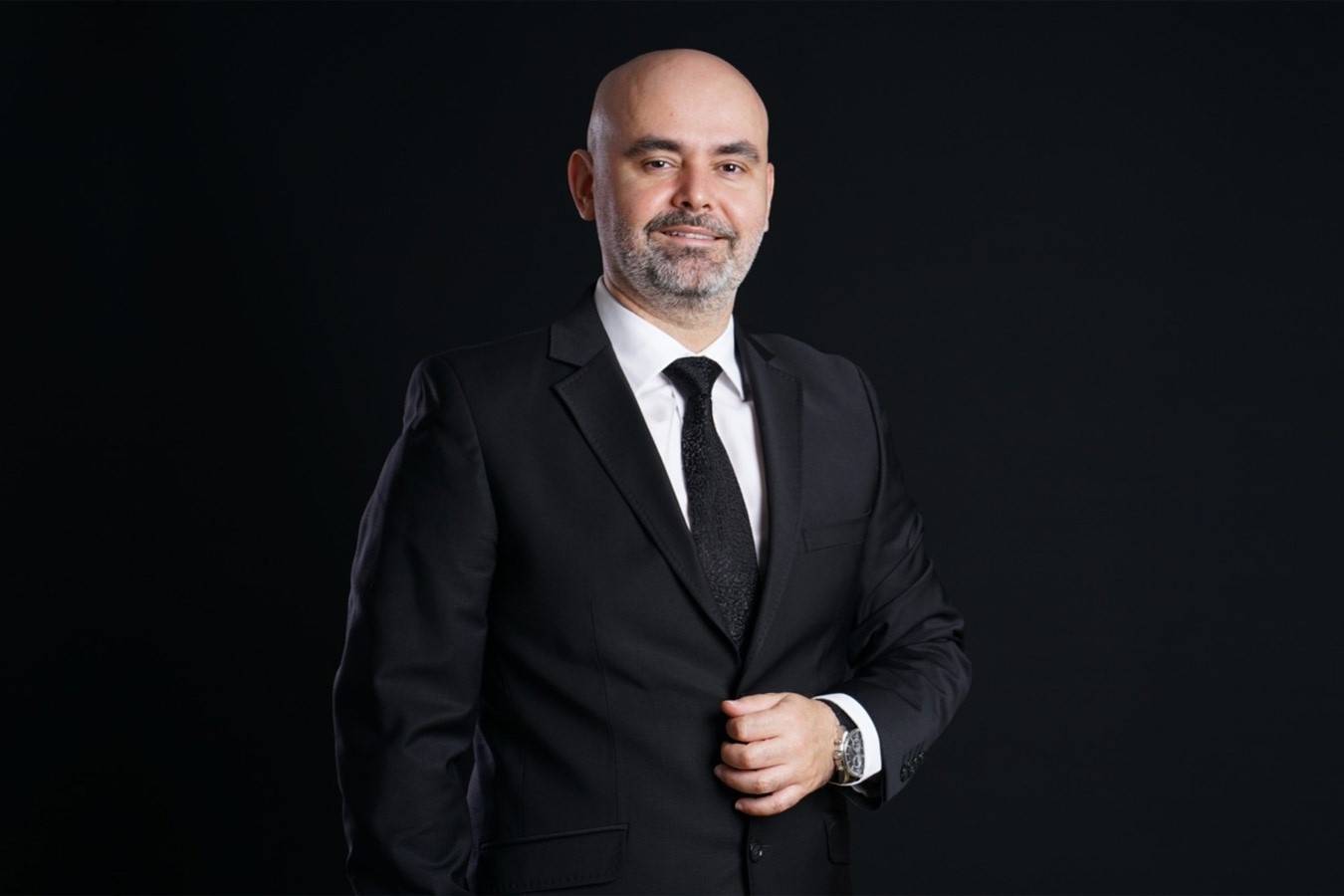
Male Facial Ageing Has Distinct Features
Men can develop jowling, neck laxity and loss of jawline definition, but the surgical plan should account for thicker skin, beard-bearing areas, hairline patterns and masculine facial proportions. A result that is appropriate for one patient may look unnatural on another. Dr. Salih Onur Basat evaluates these features carefully so that rejuvenation does not feminise the face or alter recognisable characteristics.
Hairline and Beard Considerations
Incision placement requires special attention in male facelift Turkey patients. Short hairstyles can make scars less concealed, while beard-bearing skin may shift closer to the ear after tissue repositioning. Hair loss patterns can also affect access and scar visibility. These details should be discussed before surgery because they influence both technique and expectations. The goal is to place incisions strategically while achieving adequate correction.
Jawline and Neck Balance
Many male patients prioritise a stronger jawline and cleaner neck contour. However, the surgeon must determine whether the concern comes from loose skin, descended tissues, neck bands, fat beneath the chin or limited chin projection. Treating the wrong component can produce an incomplete result. Dr. Salih Onur Basat assesses the lower face and neck together and recommends only the procedures that address the actual anatomy.
Recovery and Social Planning
Bruising, swelling, tightness and temporary numbness are expected after surgery. Men with short hair or limited ability to conceal scars may need additional time before feeling comfortable in professional or social settings. Shaving instructions, wound care and return to exercise should be followed precisely. International patients also need to plan accommodation, follow-up and the timing of travel home.
Preserving Identity
A well-planned facelift in Turkey for men should create a fresher appearance without making the face look operated on. Dr. Salih Onur Basat focuses on proportion, jawline definition and a natural relationship between the face and neck. Patients should understand that surgery cannot stop ageing or guarantee perfect symmetry. The most appropriate plan is one that respects masculine anatomy, delivers a realistic improvement and allows the patient to remain recognisably himself.
Communication about the Desired Result
Male patients may use words such as stronger, sharper or younger to describe their goal, but these terms can mean different things. Reference photographs can support discussion, although another person’s anatomy cannot be copied. Dr. Salih Onur Basat translates the patient’s preferences into anatomical objectives and explains which changes are achievable. Clear communication reduces the risk of pursuing an excessively tight or stylised result that does not suit the patient’s face.
